Why Agentic AI and Network Detection & Response Are Becoming Essential for Modern Cyber Defence
This month’s cyber security activity reinforces a persistent reality: large-scale breaches are increasingly driven by operational exposure rather than sophisticated exploits.
Attackers are exploiting cloud misconfigurations, weak vendor ecosystems, unmanaged infrastructure, and trusted developer tooling to gain initial access and rapidly scale operations.
These incidents highlight a growing challenge for security teams: traditional monitoring tools struggle to detect the behavioural patterns and infrastructure abuse occurring across modern hybrid environments.
To address this evolving threat landscape, organisations are increasingly deploying Agentic AI-driven Network Detection and Response (NDR) platforms capable of continuously analysing network behaviour, cloud activity, and identity interactions.
From worm-driven cloud exploitation campaigns to developer supply chain compromises, attackers are targeting the operational blind spots within modern digital ecosystems.
For organisations operating across hybrid cloud infrastructure, remote workforces, SaaS environments, and developer platforms, the need for autonomous threat detection and intelligent network monitoring has never been greater.
The cyber security revolution is not approaching — it is already unfolding across cloud infrastructure, identity systems, and software supply chains.
TeamPCP Worm Campaign Exploits Cloud Infrastructure
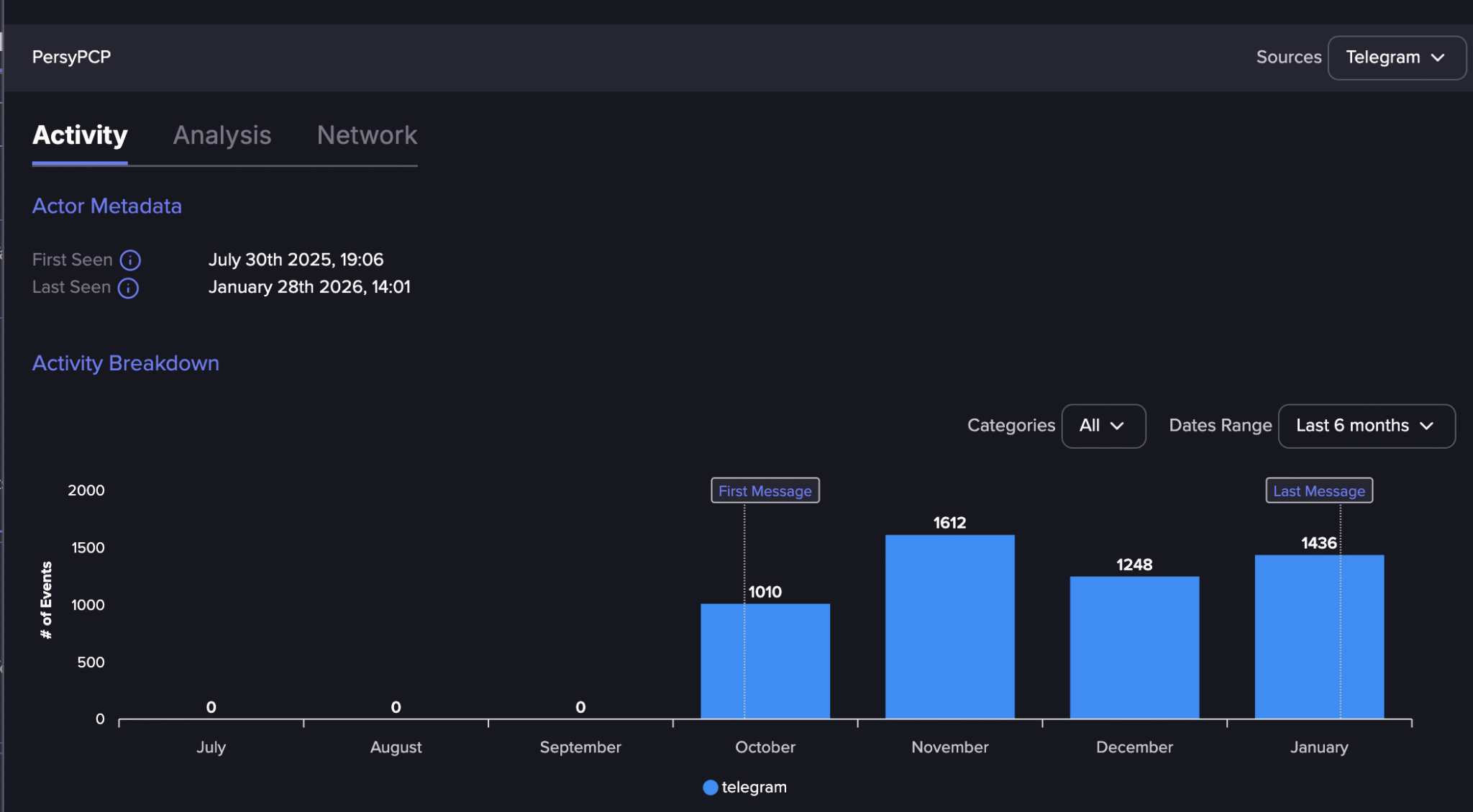
Cybersecurity researchers at Flare have identified a large-scale worm-driven cybercrime campaign operated by the threat actor TeamPCP, also known by aliases including DeadCatx3, PCPcat, PersyPCP, and ShellForce.
Active since at least November 2025, the group targets cloud-native environments such as AWS and Azure, compromising exposed infrastructure and converting it into a distributed criminal platform.
Originally documented as Operation PCPcat, the campaign leverages:
- Misconfigured cloud services
- Known infrastructure vulnerabilities
- Exposed APIs and management interfaces
Once compromised, cloud systems are repurposed to support large-scale cybercrime operations including:
- Distributed proxy and relay networks
- Internet-wide scanning infrastructure
- Command-and-control routing
- Data exfiltration operations
- Ransomware staging environments
- Cryptocurrency mining infrastructure
Researchers also discovered the group maintains a Telegram channel with more than 700 members, where stolen data from victims in Canada, Serbia, South Korea, the UAE, and the United States is published.
Unlike targeted attacks, this campaign operates opportunistically and at scale, automatically identifying and compromising exposed infrastructure.
Once compromised, cloud resources effectively become nodes within a distributed cybercrime ecosystem.
SOC & Analyst Takeaway
Cloud environments are increasingly vulnerable to automated exploitation campaigns capable of spreading laterally across exposed infrastructure.
Traditional perimeter security tools often fail to detect this type of worm-driven infrastructure abuse.
Agentic AI-powered Network Detection and Response (NDR) platforms provide a critical advantage by continuously analysing behavioural patterns across cloud workloads and network traffic.
Defend Forward Principle: Organisations should deploy intelligent network detection capabilities that enable:
- Continuous discovery of cloud assets and services
- Detection of abnormal cloud-to-cloud traffic patterns
- Monitoring of east–west traffic across hybrid environments
- Automated identification of worm propagation behaviour
Without continuous network telemetry and behavioural analysis, compromised cloud infrastructure can rapidly become part of distributed cybercriminal platforms.
Vendor Breach Exposes Personal Data of Volvo Employees
A major data breach involving outsourcing provider Conduent has exposed personal data associated with 16,991 Volvo Group North America employees, highlighting the growing cyber risk within third-party vendor ecosystems.
According to filings with the Maine Attorney General, attackers maintained unauthorised access to Conduent systems from October 21, 2024 to January 13, 2025, remaining undetected for nearly three months.
The compromised systems managed employee benefits and workforce administration services.
Stolen files included sensitive records containing:
- Employee names
- Health-related benefits information
- Additional personal data depending on individual records
The breach is suspected to involve the SafePay ransomware group, although attribution has not yet been formally confirmed.
Reports indicate that multiple terabytes of sensitive data were exfiltrated, raising concerns that the total number of affected individuals could ultimately reach tens of millions due to Conduent’s extensive government and enterprise service operations.
SOC & Analyst Takeaway
Third-party vendors represent one of the largest and least visible attack surfaces within enterprise networks.
Many organisations rely on vendor security assurances while lacking direct telemetry visibility into vendor-connected environments.
Network Detection and Response platforms powered by Agentic AI can help detect abnormal behaviour originating from vendor integrations, including unusual authentication activity or unexpected data access patterns.
Defend Forward Principle: To mitigate vendor ecosystem risk, organisations should:
- Monitor network access originating from vendor environments
- Apply behavioural analytics to contractor and partner accounts
- Integrate third-party telemetry into central security monitoring
- Detect large-scale data exfiltration activity across network layers
Security does not stop at organisational boundaries — your vendor ecosystem is part of your network attack surface.
Polish Authorities Arrest Suspect Linked to Phobos Ransomware
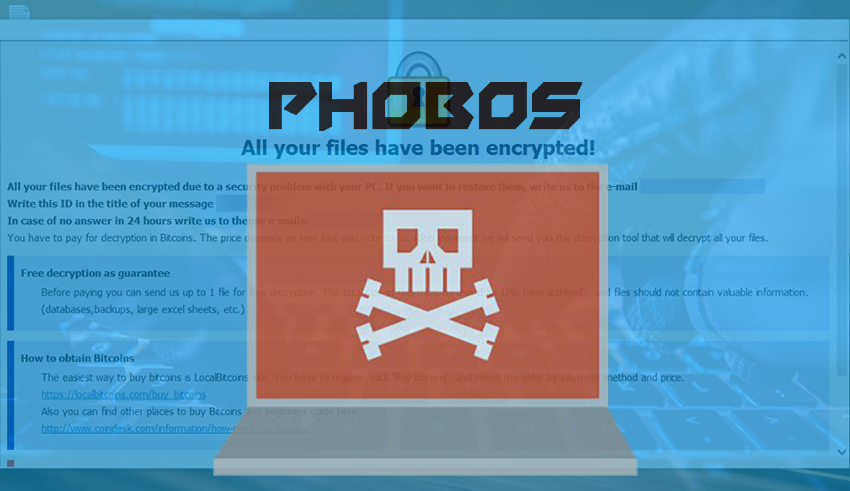
Authorities from Poland’s Central Office for Combating Cybercrime (CBZC) have arrested a 47-year-old suspect believed to be connected to operations associated with the Phobos ransomware group.
During a raid at the suspect’s residence in Lesser Poland Voivodeship, investigators seized multiple devices and digital artifacts including:
- A laptop
- Four smartphones
- Payment cards
- Credentials and server access information
Investigators discovered login credentials, credit card data, and server IP addresses, which may serve as Indicators of Compromise (IoCs) related to ransomware campaigns.
Evidence suggests the suspect communicated with ransomware operators using encrypted messaging platforms, demonstrating how cybercriminal networks continue to leverage widely available digital tools to coordinate attacks.
The arrest forms part of Europol’s Operation Aether, targeting the Phobos-linked 8Base ransomware ecosystem.
Since emerging in 2022, Phobos ransomware has targeted more than 1,000 organisations worldwide, including hospitals, schools, and government agencies.
The campaign has generated more than $16 million in ransom payments, with an average demand of approximately $54,000 per victim.
SOC & Analyst Takeaway
Law enforcement disruption can slow ransomware operations, but the distributed and affiliate-driven nature of ransomware ecosystems allows them to quickly rebuild infrastructure.
This reinforces the importance of early-stage detection through Network Detection and Response (NDR) rather than relying solely on prevention.
Defend Forward Principle: Effective ransomware defence requires the ability to detect attacker behaviour before encryption begins, including:
- Lateral movement across internal networks
- Credential abuse and privilege escalation
- Command-and-control communication attempts
- Pre-deployment staging activity
Agentic AI-driven NDR platforms enable continuous monitoring of network behaviour, helping security teams identify ransomware activity in its earliest stages.
SmartLoader Campaign Targets Developers Through Trojanized MCP Server
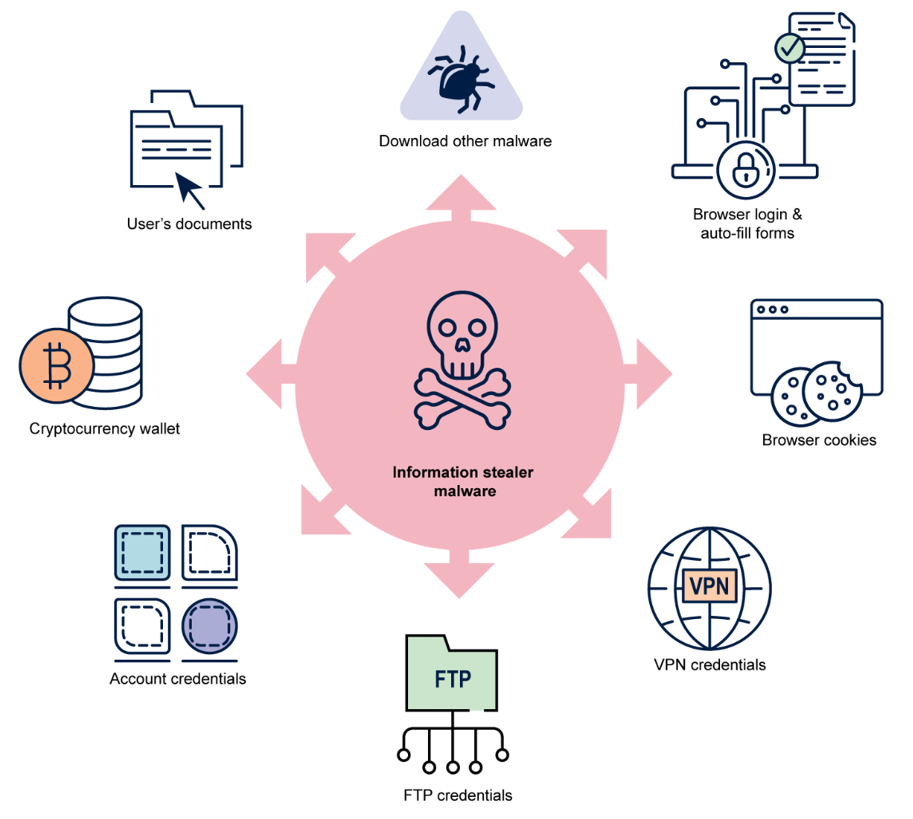
Researchers from Straiker’s STAR Labs have uncovered a sophisticated malware campaign distributing the StealC infostealer through the SmartLoader downloader.
The campaign specifically targets software developers, aiming to steal:
- Credentials
- Browser passwords
- Cryptocurrency wallet data
Attackers created a trojanized version of Oura Health’s Model Context Protocol (MCP) server, a developer tool used to integrate AI assistants with Oura Ring health data.
To distribute the malware, threat actors spent months building credibility across developer communities by:
- Creating networks of fake GitHub accounts
- Publishing repositories resembling legitimate tools
- Mimicking official MCP server projects
The malicious package was eventually submitted to trusted developer registries such as MCP Market, where it appeared alongside legitimate software packages.
Developers who installed the compromised package unknowingly executed the SmartLoader malware, which then deployed the StealC infostealer.
SOC & Analyst Takeaway
Developer ecosystems and AI tooling registries are rapidly becoming high-value targets for supply-chain attacks.
A compromise within developer tooling can provide attackers with access to:
- Source code repositories
- Infrastructure credentials
- API keys and tokens
- Production environments
Network Detection and Response solutions enhanced with Agentic AI can identify unusual traffic patterns originating from developer environments, helping detect credential harvesting or malware communication with attacker infrastructure.
Analyst Insight
This week’s incidents reinforce a recurring pattern across the cyber threat landscape: attackers succeed when organisations lack visibility across their operational environment.
The TeamPCP campaign demonstrates how opportunistic threat actors can transform exposed cloud infrastructure into distributed criminal networks through automated exploitation.
The Conduent breach highlights the systemic risks introduced by vendor ecosystems, where sensitive data can be exposed long before the primary organisation detects the compromise.
The Phobos ransomware investigation illustrates how cybercriminal networks remain resilient despite international law enforcement disruption.
Meanwhile, the SmartLoader developer supply-chain campaign demonstrates how attackers are increasingly targeting the software development ecosystem and AI tooling infrastructure.
Together, these incidents highlight a central challenge of modern cyber defence:
Organisations must maintain continuous visibility across cloud infrastructure, vendor integrations, developer environments, and internal network activity.
Traditional security monitoring approaches are no longer sufficient for detecting these distributed threats.
Modern environments require intelligent detection, behavioural analytics, and autonomous response capabilities across the entire digital ecosystem.
Defend Forward with Agentic AI-Powered Network Detection & Response
The cyber threat landscape has evolved beyond traditional alert-based monitoring.
Modern organisations require intelligent, adaptive security platforms capable of continuously analysing network behaviour across cloud infrastructure, endpoints, and identity systems.
intSOC’s Integrated Layered System delivers advanced Agentic AI-driven Network Detection and Response (NDR) designed to provide real-time visibility and autonomous threat detection across enterprise environments.
Powered by agentic artificial intelligence, the platform enables:
- Autonomous threat correlation and prioritisation
- Real-time anomaly detection across cloud, mobile, and on-premise infrastructure
- Automated response orchestration to reduce attacker dwell time
- Continuous network monitoring across hybrid environments
This approach moves beyond reactive alerting toward proactive, intelligent cyber defence.
To see how Agentic AI-driven Network Detection & Response helps organisations defend forward against modern cyber threats.